Dry Eye, Eye Health, General Eye Care
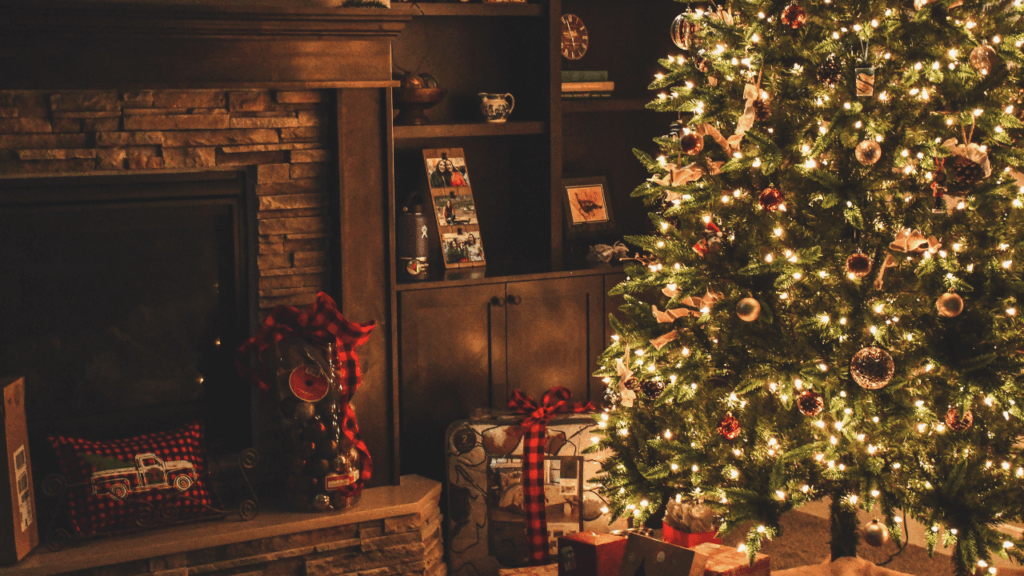
Do the twinkling displays in Downtown San Luis Obispo look more like blurry streaks than festive bulbs this year? When you drive through the neighborhood light shows in Santa Maria or Paso Robles, do you find yourself squinting against a disorienting glare?
For most people, the holiday season is a time of wonder. But for those with undiagnosed or progressing vision issues, the bright, pinpoint LEDs of Christmas trees and street displays can act as a diagnostic tool you never asked for. If the “most wonderful time of the year” is looking a bit hazy, you aren’t alone—and there is a scientific reason why.
At ADV Vision, we see a surge of patients during the winter months who notice that their night vision isn’t what it used to be. Here is a detailed look at why holiday lights make vision problems more noticeable and what you can do to bring the season back into focus.
The Science of Light: Why the Holidays are a “Stress Test” for Your Eyes
Throughout most of the year, we rely on broad, ambient light. During the day, the sun provides a wash of illumination that masks minor refractive errors. However, the holidays introduce a specific type of visual challenge: high-contrast point sources of light.
When you are in a dark environment—like driving down a winding road in SLO County at night—your pupils dilate to let in more light. When those wide-open pupils encounter a sharp, bright LED light, any imperfection in the shape of your eye or the clarity of your lens becomes magnified.
1. The Point-Source Effect
Holiday lights are “point sources.” Unlike a lamp with a shade, these bulbs emit light from a single, concentrated spot. If your eye cannot focus that light perfectly onto the retina, the light “scatters.” This results in the halos, starbursts, or “spokes” that many people notice this time of year.
2. Pupil Dilation and Peripheral Vision
In the dark, your pupil expands. This exposes the peripheral edges of your eye’s lens. If you have early-stage cataracts or slight corneal irregularities, these imperfections are often located toward the edges of the lens. You might see perfectly fine during a sunny day at Pismo Beach, but the moment your pupils dilate for a Christmas light tour, those edge-case imperfections distort your vision.
Common Vision Issues Unmasked by Holiday Displays
Why exactly does one person see a crisp star while another sees a giant smudge? The specific way the light distorts can often point to the underlying issue.
Astigmatism: The “Streaking” Effect
If you see holiday lights as long, vertical or horizontal streaks of light, you likely have astigmatism. This occurs when your cornea is shaped more like a football than a basketball. Because the surface is uneven, light bends more in one direction than the other. On the Central Coast, where holiday displays are often spread out across rural landscapes, this streaking can make night driving particularly dangerous.
Cataracts: The “Halo” and “Glow”
Cataracts are a clouding of the eye’s natural lens. While they develop slowly, they are often first noticed during the holidays. Why? Because the cloudy lens scatters light as it enters the eye. This creates a “halo” effect around every bulb on the tree. If the lights at the Santa Maria Christmas Parade look like they are surrounded by a thick fog, it’s time for a cataract screening.
Dry Eye Syndrome: The “Fluctuating Blur”
The Central Coast winter air can be surprisingly dry, especially when the Santa Ana winds kick up. Dry eyes lack a smooth tear film. Without that smooth layer of moisture, the surface of your eye becomes “pitted” and irregular. This causes light to refract unevenly, making holiday lights appear blurry or causing your eyes to tire quickly while looking at displays.
Myopia (Nearsightedness)
If you can see the ornaments on your own tree clearly, but the lights on the neighbor’s house across the street are just big, glowing blobs, your prescription for nearsightedness may need an update.
How to Manage Vision Issues This Season
If holiday lights are causing glare, halos, or blurred night vision, there are ways to improve comfort—and options to address the root cause:
- Anti-reflective glasses and prescription updates reduce glare and improve clarity.
- Artificial tears and hydration help smooth the tear film and reduce light scatter.
- Cataract surgery with advanced lenses can eliminate halos and improve night vision.
- LASIK and other vision correction procedures can fix nearsightedness and astigmatism.
- Advanced dry eye treatments restore comfort and visual clarity.
- Schedule a comprehensive evaluation at ADV Vision to see if you are a candidate for advanced surgery or treatment and enjoy the holidays in crisp, clear vision.
Patient Testimonials
“It was great reconnecting with Dr. Adam Abroms after my first cataract surgery this past May. I’m now preparing for surgery on my other eye and feel completely confident moving forward. Dr. Abroms is an outstanding surgeon, and the staff has been wonderful—always helpful, responsive, and easy to work with when it comes to scheduling or any questions along the way.”
Take the First Step Toward Clearer Vision
Is it time to see the magic clearly again? Our offices in San Luis Obispo, Santa Maria, and Paso Robles are ready to welcome you.
Call Now to speak with our team or schedule your visit online!